

Project: Itsu Sho Sha / Location: Karuizawa, Japan / Architect: AB Concept / Location: Hong Kong / Photography: Owen Raggett
AB Concept founders Ed Ng and Terence Ngan’s private residence in Karuizawa, Japan, is a tranquil sanctuary immersed in the mountainous town’s alpine landscape. In symbiosis with the rich surroundings, the design incorporates elements of traditional Japanese aestheticism and local materials to create an intimate space that is both a home and gateway to nature.
Located in the south-eastern part of Nagano Prefecture, Karuizawa is a summer resort at the foot of Mount Asama, one of Japan’s most active volcanoes. Captured by its breath-taking views, lush green forests, and natural hot springs, Ed and Terence initially planned to create a holiday home in the hills as an escape from their busy schedules. Following the project’s completion, the duo decided to make this their main residence.
Reflecting AB Concept’s philosophical approach to design, the name of the house can be written in three ways: 逸松榭 in Mandarin, いつ しょう しゃin Japanese Hiragana, and the English pronunciation, Itsu Sho Sha. Each name implies multiple meanings, with Itsu Sho Sha referring to the functionality of the design as a home, its location alongside Japan’s native red pine trees, and a leisurely state of mind.
[ Read More: A Modern Home in the Hills, with Japanese Influences ]
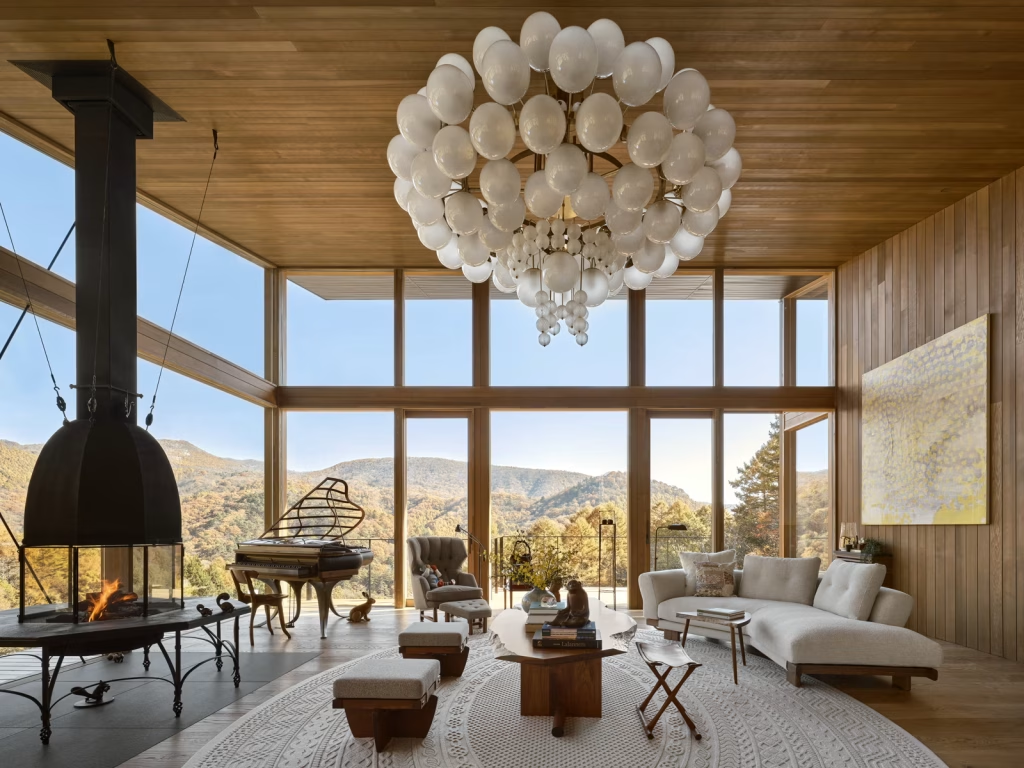
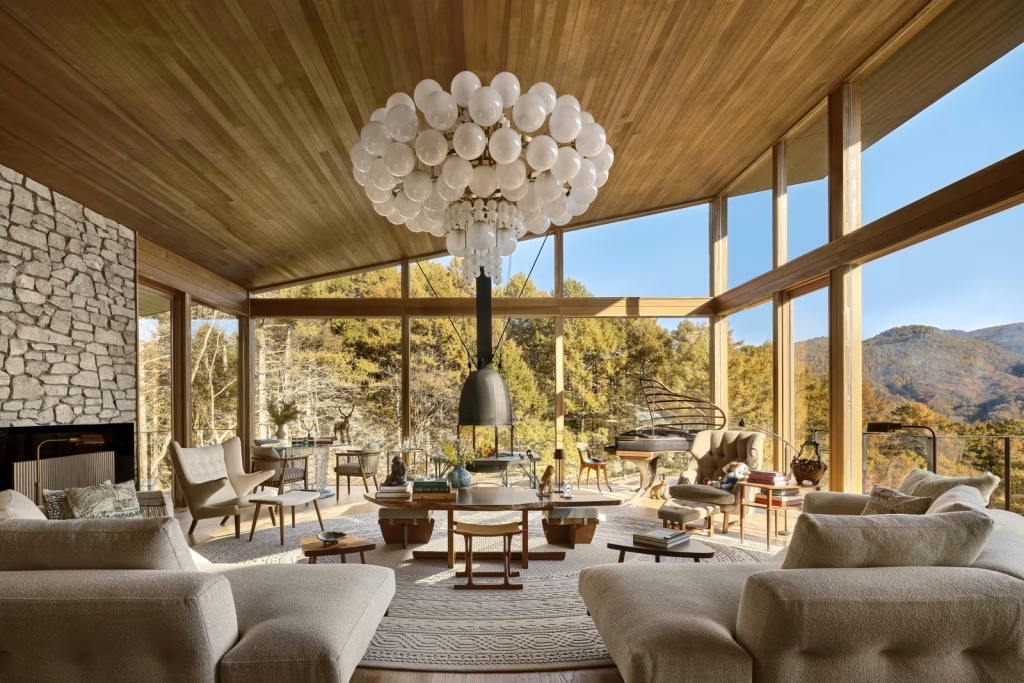
Itsu Sho Sha encompasses four separate buildings that were developed over two years with a slow, organic approach to design. Built on a slope, the roofline echoes the shape of the mountains to blend into the idyllic surroundings, while the structure is largely formed using Japanese cedar wood to invoke atmosphere, warmth and a woodland scent. Due to high, up to 5m, and low ceilings with expansive window walls, the home offers 360-degree views of Karuizawa as if floating among its elevated plains.
The home is constructed in the form of a small village with several individual buildings making up the property, the concept largely sprung from a lifestyle recalibration, instigated by the pandemic lockdown. The foremost practical challenge is Japan’s propensity to earthquakes, which required some complex engineering to manage.
Aside from this consideration, the designers approached the project without any master plan or blueprint, beginning from a place of complete openness – without the constraints of a client or deadline, the designers then developed each and every element across architecture, interior design, and landscape.
[ Read More: A Japanese House That Blends Beauty and Budget ]

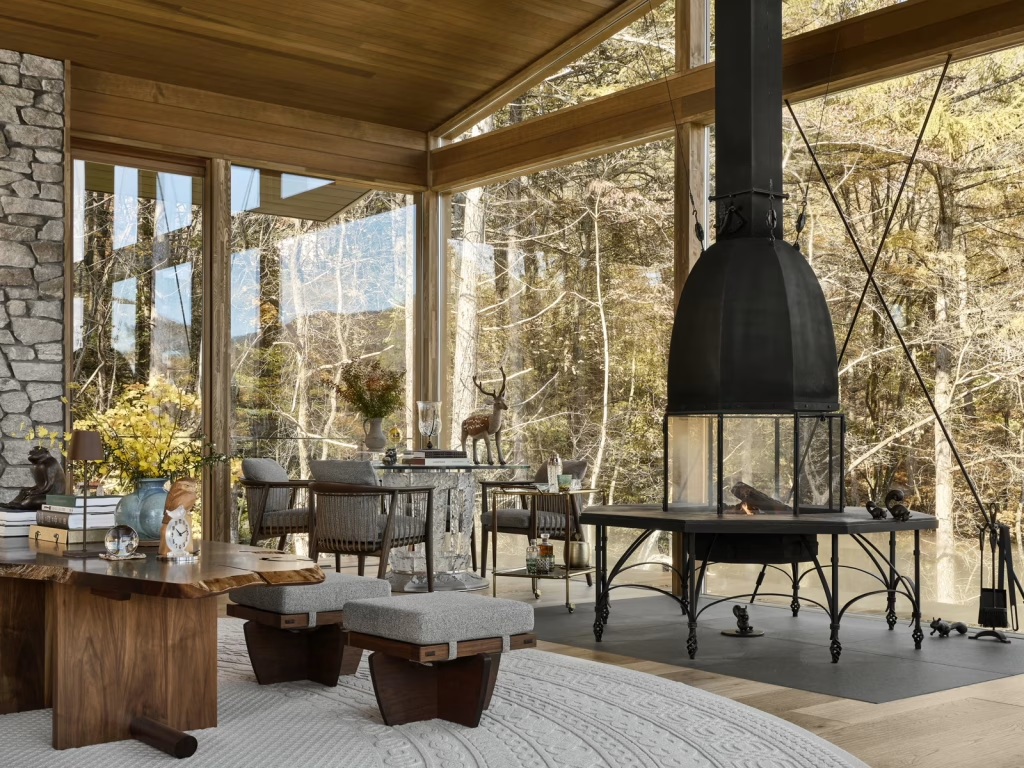
Having design freedom allowed the designers to approach planning with a considered slowness and mindfulness, allowing for complete clarity in the approach to the way in which they live, within and around the things and spaces they love.
The living room boasts statement features, with floor- to-ceiling windows complemented by a vintage custom chandelier produced by Czech glass manufacturer, Preciosa in the 1970s, and a fireplace commissioned by a local ironsmith. Completing the space are unique pieces such as the Papa Bear Chair by Hans Wegner, the Lounge Chair and Ottoman, model 5761 by Edward Wormley for Dunbar Janus, the Lalique Chene Dining Table, the Viola Chair (designed by AB Concept) by Poltrona Frau, and the Sengu Sofa by Cassina.
At the center of the living room lies a soft, enveloping and textural rug, in perfect harmony with the surrounding tranquility of the landscape. Designed by Ed Ng and Terence Ngan and custom-made by Tai Ping, the generously sized (4 x 5.5 meters) hand- knotted rug in beige and cream tones marked the beginning of the collaboration with the prestigious Hong Kong-based producer of bespoke, handcrafted and woven carpets, Tai Ping, leading to the Ami collection.
[ Read More: A Singapore Apartment Gets an Organic Update ]
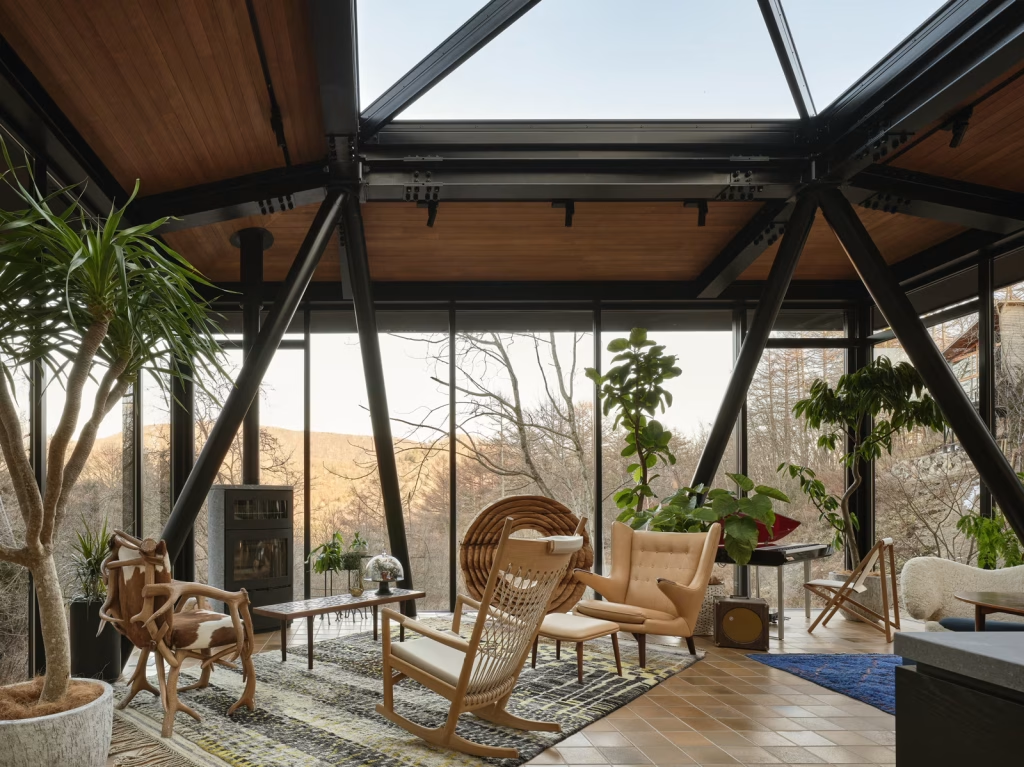
The bold windows, also used in the master bedroom, allow the landscape’s colour palette, dictated by the seasons, to illuminate the neutral and minimalistic ones of the interiors. A staircase, lined with the pair’s favourite artworks, leads to Ed’s studio and an outdoor deck which cantilevers 8m out of the slope.
The dining room brings together elements of East Asian and Western design, while also observing Japan’s masterful art of balance. Japanese tatami is used as flooring, while spoon carving details and sliding doors that separate the dining area nod to the wabi-sabi aesthetic. “Kawaii,” the Japanese culture of cute, is also referenced with a playful Kyoto screen depicting a Buddhist story of a heavenly figure watching earth’s inhabitants hard at work.
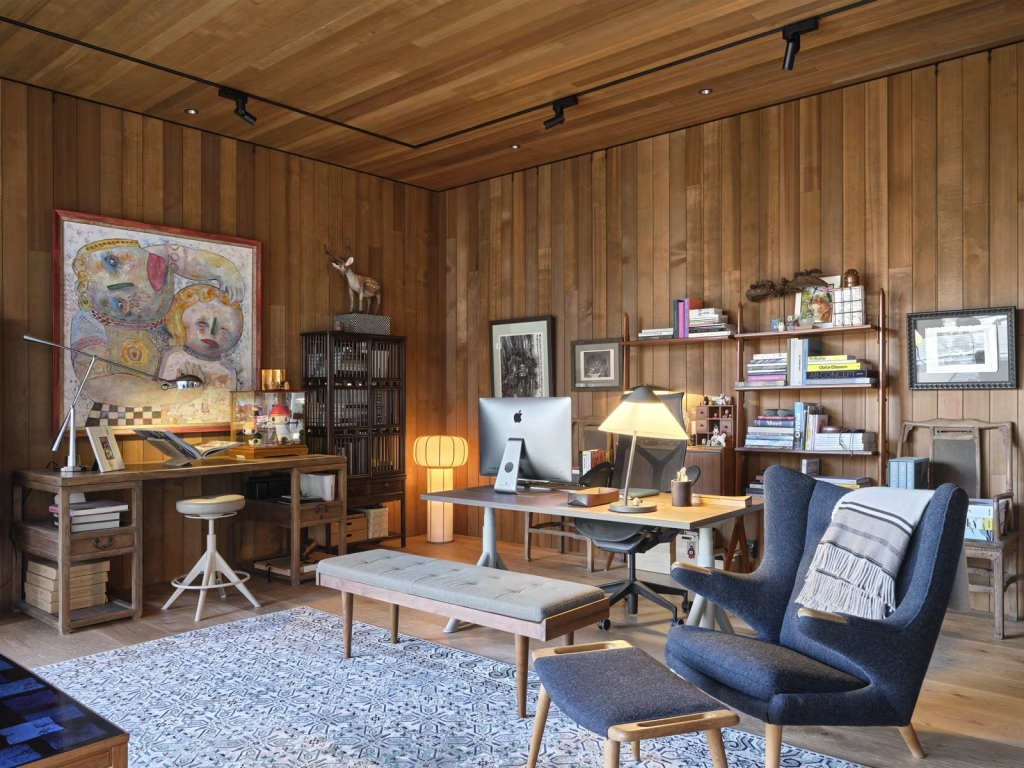
The study room sits eight metres affront of the slope, providing shelter for an outdoor deck and seating area.
[ Read More: Clever Design Makes a Hong Kong Apartment Feel Big ]

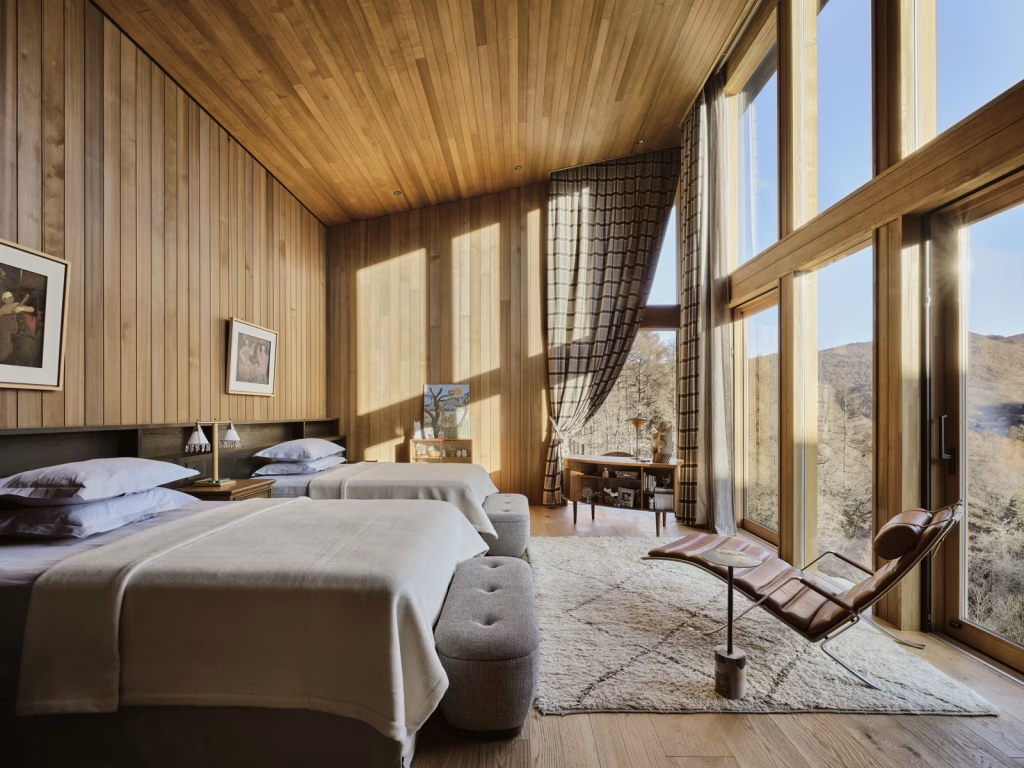
To offset wintertime in Karuizawa, the duo also conceived an 8m-by-8m structure of four pencil columns as a ‘Greenhouse’. When the landscape’s green foliage turns grey with cold, this space will be a winter retreat for Ed and Terence. A separate guest house with a welcoming foyer, living room, dining room with an open kitchen, and three bedrooms offers a place of solace for family and friends.
Reflecting the pair’s avid collecting, Chinese antiques and artisan pieces acquired from Karuizawa’s rich array of museums, galleries, and antique shops, stand alongside chairs and stools by Japanese American architect George Nakashima, a sideboard by Italian architect Gio Ponti, and a limited-edition lamp made of Japanese Aizu paulownia by the prolific architect Frank Lloyd Wright.
If there is a single project that encapsulates care, creativity and philosophical approach, it is the private home in the Karuizawa Hills – namely, Itsu Sho Sha. The architectural structure of the property is an ode to its organic surroundings, seamlessly blending into the natural landscape with its roofline cleverly mimicking the irregular outline of the mountains beyond.
[ Read More:A Light-Filled, Modern Home in the Jordan Desert ]

